
AI & photography? humans are here to stay
Why Photography Is Here to Stay, And Why AI Won’t Replace Photographers
With the rapid rise of artificial intelligence, it’s natural for creatives to wonder: Will AI replace photographers? The short answer is no. While AI is becoming a powerful tool, photography as an art form, and as a profession, is here to stay. In fact, the human role behind the camera may become even more valuable in the years ahead.
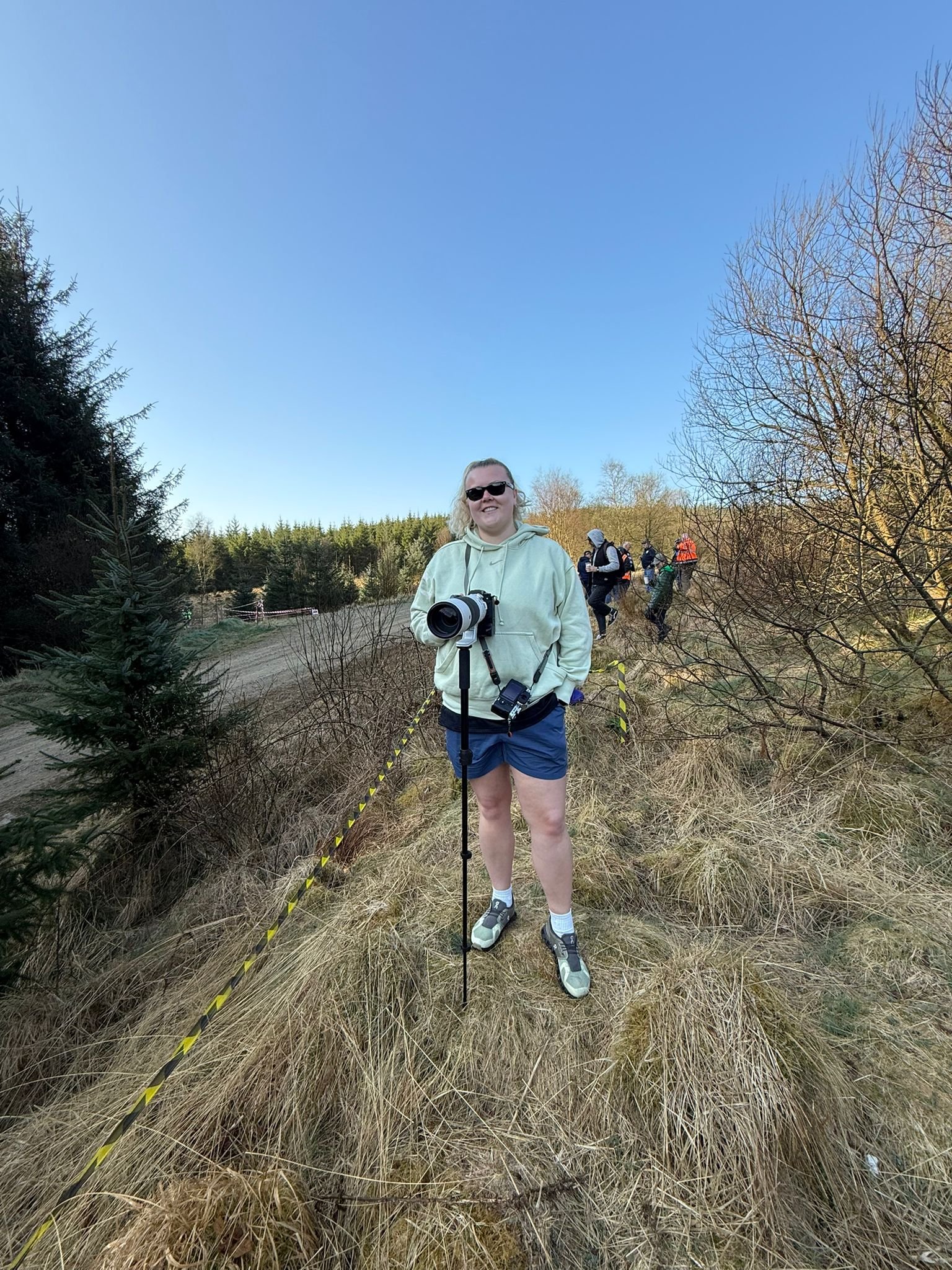
Me and my camera out at Kielder Forest last year for the British Rally Championship.
Photography Is More Than Pressing a Button
Photography isn’t just about capturing an image. It’s about storytelling, timing, emotion, and perspective. A great photograph reflects the photographer’s vision and how they interpret a moment, a person, or a scene.
AI can generate images, but it doesn’t experience life. It doesn’t feel the atmosphere of a wedding, sense the emotional weight of a farewell, or anticipate a fleeting expression between loved ones. Those instincts come from human connection, empathy, and lived experience, they’re qualities no algorithm truly possesses.
People Don’t Hire Cameras, They Hire People
Clients don’t just book a photographer for technical skill. They book someone they trust to understand their story, guide them, make them feel comfortable, and deliver images that feel authentic and meaningful.
A family wants someone who can connect with their children. A brand wants someone who understands their identity. A couple wants someone who can capture their love in a natural, emotional way. These relationships, and the trust behind them, can’t be automated.
Photography is a service rooted in human interaction, not just image production.
AI Is a Tool, Not a Replacement
AI will undoubtedly change photography, but change doesn’t equal replacement. Just as Photoshop, digital cameras, and smartphones reshaped the industry, AI will become another tool in a photographer’s workflow.
Photographers can use AI to:
Speed up editing
Enhance retouching
Organize images
Experiment with creative concepts
But the creative direction, the shoot itself, the emotional storytelling, and the final artistic choices remain human-led. AI can assist, but it can’t replicate personal style, lived experience, or creative intuition. And it certainly can’t add those real human moments.
Authenticity Will Become Even More Valuable
As AI-generated images become more common, real photography may actually become more sought-after. People will increasingly value authenticity, those real moments, real people, real stories, captured in real time.
A photograph taken by a human carries truth, memory, and credibility. It represents a moment that genuinely happened, not one that was invented by software. That authenticity is irreplaceable.
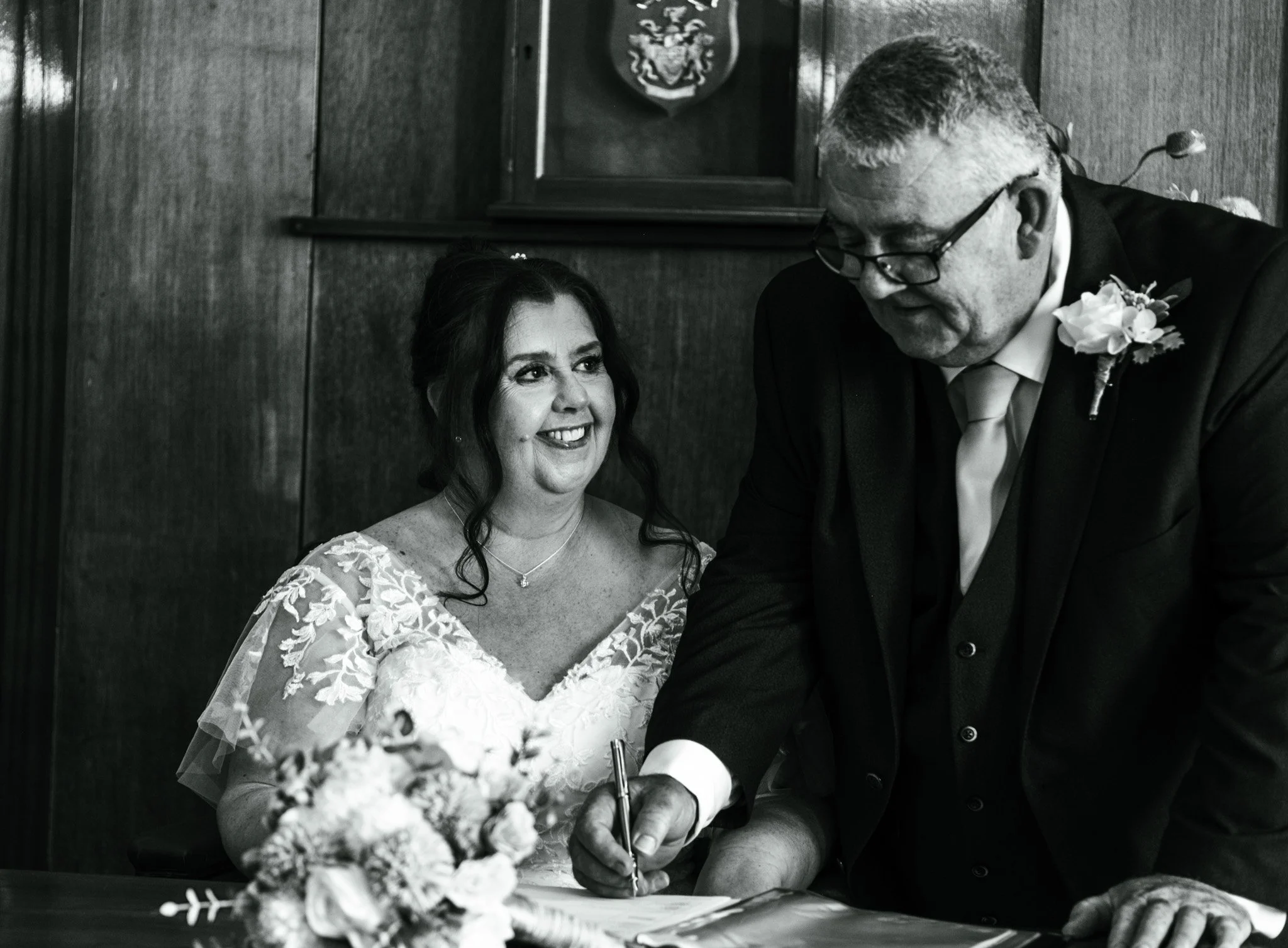
Dave & Gill at their wedding.
Photography Evolves, It Doesn’t Disappear
Photography has survived countless technological shifts: film to digital, DSLRs to mirrorless, social media, smartphones, and now AI. Each time, the craft adapted, and the photographers have still thrived.
The core purpose of photography remains the same: to preserve memories, tell stories, create art, and document life. As long as humans value meaning, emotion, and connection, photography will remain essential.
The Photographer as a Problem-Solver
AI itself can’t adapt to real world situations, or chaos, but humans can. There’s plenty of things that come into play when considering photography:
Adapt to weather
Fix lighting challenges
Calm stressed clients
Handle unexpected issues
Turn imperfect conditions into beautiful images
A Personal Perspective from Laura Gates Photography
As the photographer behind Laura Gates Photography, I know first-hand that photography is about far more than creating images, it’s about connection, trust, and storytelling.
Every session is built on real human interaction: helping clients feel at ease, capturing genuine emotions, and preserving moments that will never happen again. Those natural laughs, quiet glances, and meaningful memories can’t be recreated by AI. Those moments happen because of real people, real experiences, and real relationships.
AI can be a useful tool, but it can’t replace the heart, intuition, and personal touch behind the camera. My focus will always be on creating authentic, emotional images that tell real stories, because the most powerful photographs are the ones that are truly lived.

Midfielder, Emma, embraces Coach Judith after a big FA Cup win.
Put the photographer first, not the technology
AI may change how images are created, but it won’t replace the heart behind the camera. Photographers bring vision, personality, emotional intelligence, and lived perspective, those are things no machine can replicate.
Photography isn’t going anywhere. If anything, the role of the photographer themselves will become more meaningful, more creative, and more respected as the world learns to distinguish between artificial images and authentic human storytelling.
As a photographer, I’ve seen how powerful real moments can be, from emotional family sessions to once-in-a-lifetime events. Those moments can’t be generated. They have to be lived.
Photography is here to stay, because ultimately human creativity is here to stay.
